
Built for Pressure
What have you built before the pressure arrives?
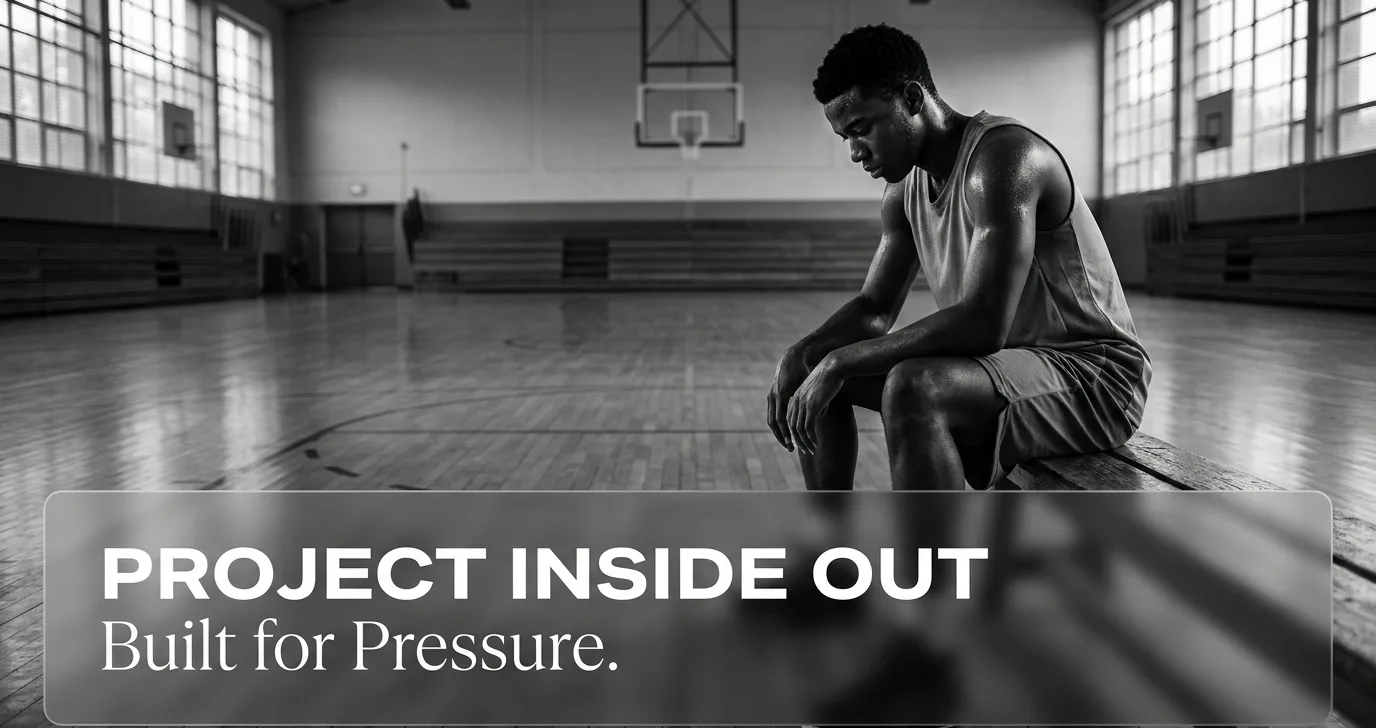
Built for Pressure is the applied framework and public identity through which Performance Wellness becomes something specific — in a gym, a city, a school, a season.
What it means
Not toughness. Preparation.
Built for Pressure does not mean never struggling, never resting, refusing help, suppressing emotion, proving toughness or guaranteeing victory.
It means preparing before the moment. Recognising what pressure is doing. Responding intentionally. Recovering after effort or disruption. Maintaining identity. Continuing to grow. Contributing to others.
Performance Wellness is the discipline. Built for Pressure is what it looks like when that discipline is put to work somewhere specific — with real people, in a real environment, where it can be observed and tested.
Initiatives
Where it is being applied
Each initiative is a distinct environment with its own participants, its own evidence and its own story. More will be added as the work continues.
Assistant Coach AI, used during the Hornets seasons, is explained in full on the Technology page.
The same question, different rooms
Who it is for
Youth
School, sport, peers, identity, family expectation, social media, future choices, confidence. Applied through mentorship, clinics, youth conversations, leadership opportunities and practical response standards — the work demonstrated in the YMCA Hornets field test.
Athletes
Competition, mistakes, playing time, coaching, injury, team roles, expectation, recovery. Sport is where pressure becomes visible, and therefore teachable: mental preparation, team identity, emotional reset, communication, leadership, recovery, and transition beyond sport.
Coaches
Preparation, parents, rotations, fairness, player development, winning, communication, time. Supported through planning systems, communication standards, reflection, evidence — and technology that reduces friction so coaches can stay present with players.
Students and families
Academic pressure, social transition, comparison, independence, identity disruption, separation, role change. Applied through STAI, STAI-Well, and the community and belonging layer in CANEⓈ.
Businesses and organisations
Culture, transition, leadership, teamwork, employee readiness, community engagement. Participation should not be reduced to branding: utility earns placement, relevance earns trust, action creates value. An organisation contributes a BRICK.
Cities
A city-based initiative may connect youth, neighbourhoods, schools, universities, teams, businesses, wellness, technology and community development. A city does not become Built for Pressure through a slogan — it earns the identity through visible contribution and measurable utility. The first city initiative is Philadelphia.
Keep exploring